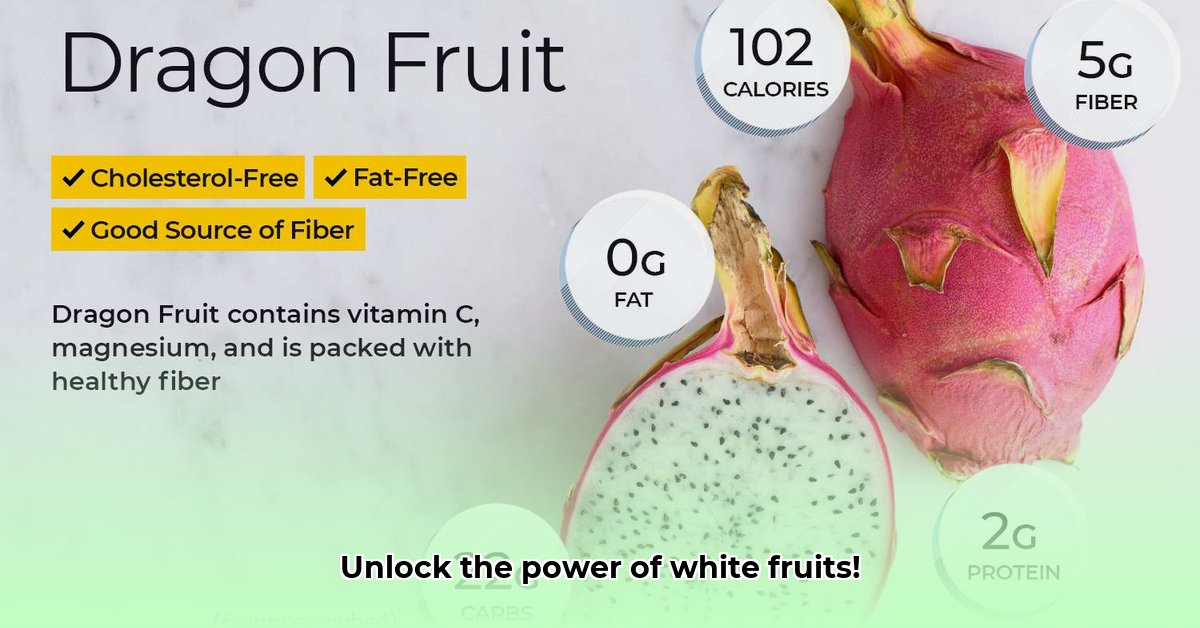
White Fruit Nutrition Benefits: Unlocking the Power of Pale Produce
We often focus on brightly colored fruits and vegetables, but the paler varieties offer surprising nutritional benefits. White fruits and vegetables, often overlooked, are nutritional powerhouses, boasting impressive health advantages. This article explores the science behind these benefits and provides practical tips for incorporating these foods into your diet. For more information on specific white fruits, check out this helpful resource: learn more.
Hidden Powerhouses: More Than Meets the Eye
While lacking the vibrant pigments of their colorful counterparts, white fruits and vegetables are rich in unique and beneficial compounds. These include allicin (found in garlic, renowned for its distinctive odor and antimicrobial properties), anthoxanthins, and various other phytochemicals. These compounds act as potent antioxidants, combating cell-damaging free radicals linked to aging and disease. Their anti-inflammatory properties are crucial for overall well-being, reducing chronic illness risk.
Beyond these specialized compounds, many white fruits and vegetables are excellent sources of Vitamin C (a vital immunity booster), B vitamins (essential for energy production and nerve function), dietary fiber (promoting healthy digestion), and key minerals like potassium (beneficial for blood pressure regulation) and magnesium (crucial for muscle function and nerve signals).
What Science Says (and What It Doesn't Yet Know)
The health benefits of many white fruits and vegetables are well-supported by research. Studies consistently demonstrate their anti-inflammatory and antioxidant effects, contributing to overall health maintenance. Evidence suggests a link between their consumption and improved blood pressure management and potential cancer-fighting properties. Fiber's role in blood sugar control and gut health is well-established.
However, more research is needed. While some studies hint at these foods enhancing athletic performance, and possessing cancer preventative properties, more robust human trials are necessary to confirm these benefits conclusively. Claims about improved hair health also require further investigation.
Meet the Stars: Examples You Should Know
Let's explore some nutritious white fruits and vegetables:
- Garlic: Allicin, its potent compound, offers antioxidant and antimicrobial effects, potentially fighting infection and offering additional health advantages.
- Cauliflower: Rich in Vitamin C, fiber, and choline (essential for brain function and overall health).
- Onions: Bursting with antioxidants and beneficial sulfur compounds, linked to a lower risk of chronic diseases.
- Leeks: Sharing a similar nutritional profile to onions, leeks offer a milder flavor and comparable health benefits.
- Potatoes (with the skin on!): A good source of potassium, Vitamin C, and fiber, contributing to satiety and digestive health.
Getting the Most Out of Your Pale Produce
Maximize the benefits of white fruits and vegetables with these simple tips:
- Variety is Key: Incorporate a range of white fruits and vegetables for diverse nutritional profiles.
- Gentle Cooking: Minimize processing to retain nutrients. Steaming, roasting, or eating raw often preserves nutrients better than boiling.
- Eat the Whole Rainbow: A balanced diet with diverse colors is essential for complete nutrition.
The Ongoing Scientific Journey: Future Research and Your Role
While much is known, further research is needed to fully understand the implications. Ongoing studies explore their impact on athletic performance and the mechanisms behind their potential cancer-protective effects. Research also investigates how growing conditions influence nutritional value.
Your role? Simply add more white fruits and vegetables to your meals! Enjoy their flavors and reap the rewards. These foods deserve a prominent place in a healthy diet.
How to Maximize the Health Benefits of White Fruits and Vegetables
Key Takeaways:
- White fruits and vegetables are nutritional powerhouses packed with antioxidants and anti-inflammatory compounds.
- They contribute to better heart health, immunity, and may even help prevent cancer.
- More research is needed to fully understand their benefits.
- Regular incorporation into a balanced diet is essential.
The Surprising Power of Pale Produce: A Deeper Dive
While vibrant colors often grab our attention, the subtle appeal of white produce hides remarkable nutritional value. Consider incorporating these often-overlooked foods into your diet for a powerful health boost.
Nutritional Champions: Understanding the Benefits
Many white fruits and vegetables are high in fiber, which helps regulate blood sugar and cholesterol. Garlic and onions, with their characteristic aromas, contain allicin, a potent antioxidant and anti-inflammatory compound linked to numerous health benefits. However, remember that cooking methods impact nutrient retention; raw garlic retains the highest allicin concentration.
How to Maximize the Health Benefits: Practical Numbered Steps
Diversify Your Choices: Explore a wide array of white fruits and vegetables, such as cauliflower, mushrooms, turnips, garlic, onions, parsnips, etc. Aim for at least 3-5 different varieties per week.
Prioritize Preparation Methods: Experiment with different cooking methods: roasting, sautéing, or consuming raw, based on taste and nutrient retention. Prioritize gentle cooking methods.
Strategic Pairing: Combine white foods with other nutrient-rich options for balanced meals. (Example: A salad with cauliflower, pears, and walnuts).
Embrace Moderation: Even healthy foods should be enjoyed in moderation.
Consult Your Healthcare Provider: Consult your doctor before making significant dietary changes, especially if you have pre-existing health conditions.
The Bigger Picture: Synergistic Effects
While individual benefits are impressive, the cumulative effect of a balanced diet incorporating white produce is even more significant. While more research is needed, the evidence strongly supports their inclusion in a healthy eating plan.
The Ongoing Scientific Journey: Looking Ahead
While existing research supports the positive associations between white fruits and vegetables and various health benefits, further large-scale studies are necessary to fully understand their long-term effects, solidifying our understanding of their role in disease prevention and overall well-being.